Uncategorized

Harvest 2018

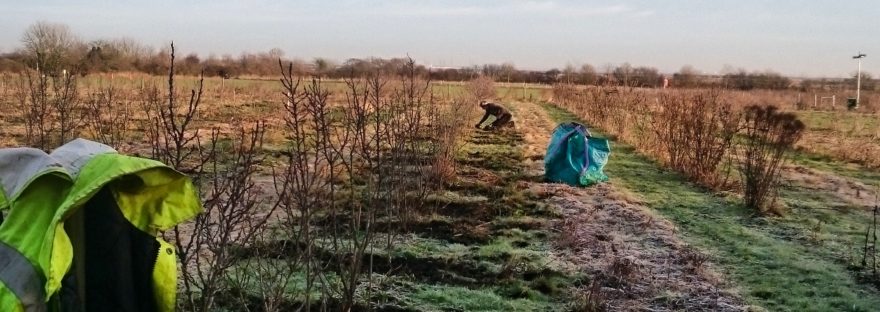
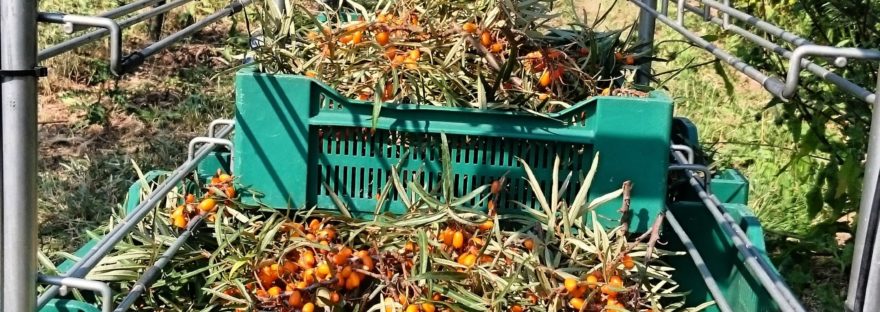
Harvest 2017 showed great prospect for our sea buckthorn. All the Siberian plants across the site produced heavy – predicted yields of berries. Having produced a crop the next challenge was to create an efficient, affordable means of harvesting. Winter 2017/18 therefore focused on delivering this process.

One can formulate the best plans but in agriculture there are natural variables that have the capacity to undermine concept based on theory. We all have experiences of weather and the seasons but these now have to blend with considerations as to the impact of a changing climate and how much to risk manage this position.

We still have mild winters. I am told that the severe weather incident in mid-March should be taken as a one in fifty year event. Its impact disrupted the pollination of our sea buckthorn resulting in no Siberian crop, although we still have a yield of Latvian and German varieties. The climate might be changing but unless this is repeated within the next three years, we have to discount this as a novel event.

The prolonged period of hot, dry weather over June and July is a different matter. This has been predicted by climate change scientists and it seems to be repeated across the globe. We need to look at our sea buckthorn crop and assess the impact of this phenomenon.

After a solid two months of no rain and temperatures up to the mid-30 deg C has left the majority of the plants still looking healthy. As our soil is clay and our water table is high plants have a capacity to reach down for water. This does not mean that all plants are healthy. These conditions create stress and there are possible 15% of the plants shedding leaves and looking very sad.

Our investment in a Ladurna cultivator this year must have helped in both reducing weed competition, but also combining that weed growth back into the soil around the plant. The use of compost to improve organic matter in the soil is an on-going concept to improve the health of the soil and potentially improve its moisture retention. We will be using a combination of wood chip and green waste compost this autumn to keep this process going. The ability to combine it into the top tilth with the Ladurna will hopefully increase the incorporation and benefit process.

Irrigation is an option. It is my personal belief that if we are going to see more long hot summers then the plants have to work harder, their roots need to go deeper and the soil needs to retain more available moisture. Irrigation will be useful in establishing plants in their first two years, but as a tool for yield enhancement I am personally not convinced that there is benefit.

This year our Augustina were irrigated every two days to see if the few berries there were might improve in size. Unfortunately there seemed to be no response. A more technical approach might be worthwhile with a nutrient irrigation package but strictly on a trial basis. As we have limited capital investment available this can probably be better focused elsewhere.

Investment capital is a precious resource and this year it has been channelled into developing a facility to mechanically harvest our crop. The fact the crop has been tiny has strangely been a real advantage. The development of any new system takes time to plan, but it is the practical implementation that reveals the real issues.

The harvest processing site we have built from a collection of two refrigerated lorry bodies, two large portacabins and five containers. The temporary nature of the site is with an intent to develop harvesting/processing ideas from concept to full development on a small, low cost scale that can then be moved into a new building once we fully understand what we need. The site will comply with food hygiene regulations and this will also cover how we operate in the field as well as within the buildings.

We started harvesting our Latvian berries a week ago and each day the process has been refined. The process requires the cutting of branches and them being brought back to the site for freezing in a new cold store. The cold store temperature is set at running down to -24 deg C, with a concept of wanting to freeze the berries as fast as possible. We have found that with an ambient temperature in the 30s, simple issues such as loading branches into the cold store requires skill to prevent the store temperature from rising and compromising its ability to blast freezer the incoming crop.

The newly designed berry separator has arrived and is being operated in a chill room at temperatures of between 2-5 deg C. The machine is designed for this, but as a prototype it will require on-going improvement to create the ideal machine for the job.

We are already looking to a redesign of the linkage between the cold store and chill room to ensure a consistent working cold temperature. We have been told that we are a low risk operation in terms of food hygiene management, but even so maintaining high standards is our target and each practical step requires refinement to achieve the right level of practical approach.

It is this transition of working to create an efficient, workable harvesting system that is taking time. If we had had a heavy crop this process of developing the harvesting system on the job would have been challenging.

But as it is, by next year we will have created a mechanically assisted harvesting process that will accommodate the crop that we had in 2017. That is farming for you. Each year is a new year, which is what makes the job worthwhile.
Uncategorized

The Trials of Mother Nature

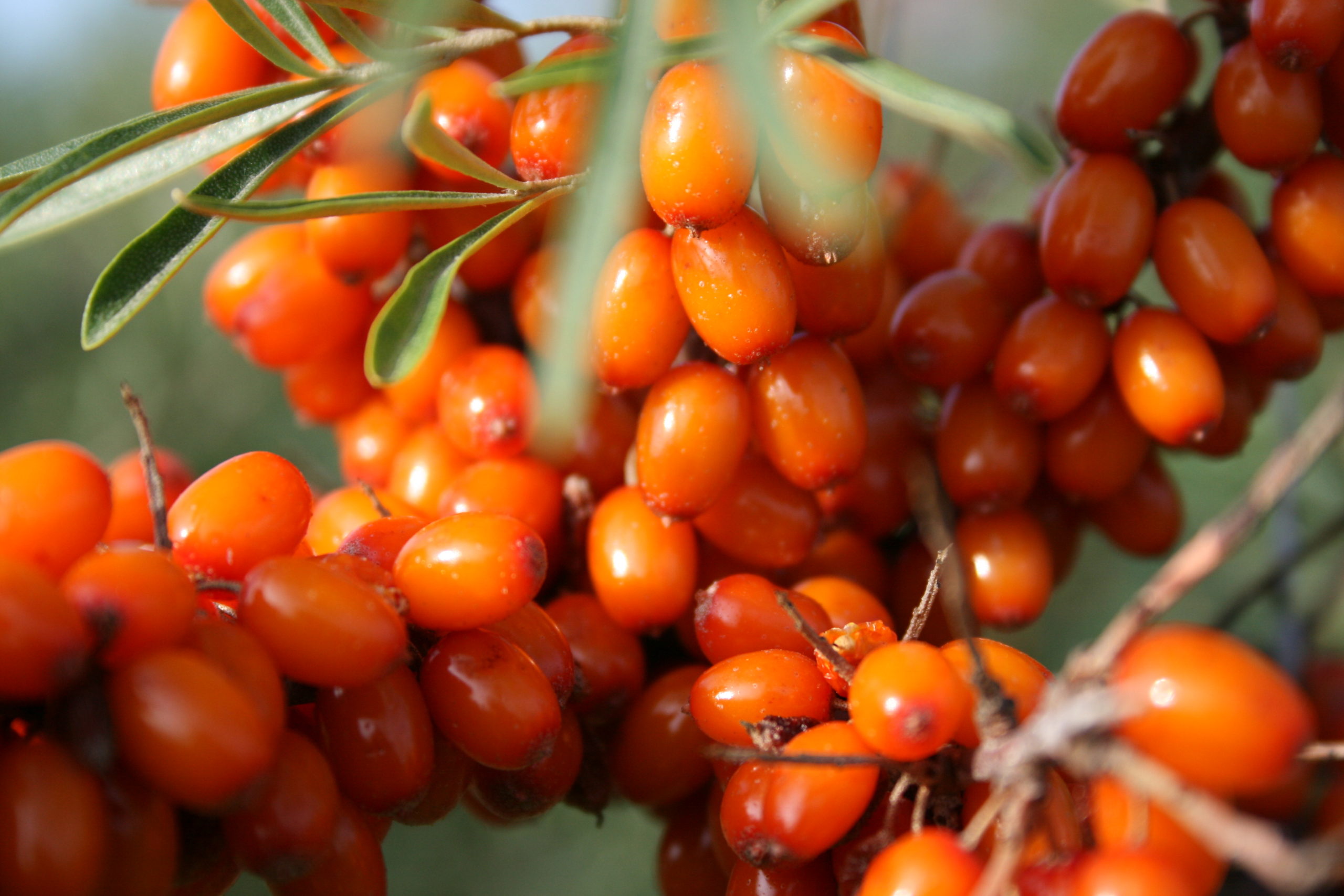
In June 2017 we were preparing for our potential first harvest of Siberian sea buckthorn. There were berries on almost all bushes, three to four kilos on some varieties – between eight and ten on variety Chuiskaya. Brix measurements started on June 22nd had figures of 6.5 to 10.5, with each variety jumping into double figures by the end of the month. The problem was that we had no means of harvesting the berries fast enough.

A trip to Siberia in September, then Warsaw to the Euroworks conference provided the opportunity to dissect the issues from harvest 2017. It seemed that the evidence was there that we could grow a good crop of berries – all we needed to do was develop a viable harvesting system.

Good fortune struck again with a trials harvesting equipment designer being based no more than 30 miles from our farm. Added to this, a grant application to fund 40% of the costs of the design and build was accepted.

What could possibly go wrong, harvest 2018 looked like being the culmination of nine years of work.

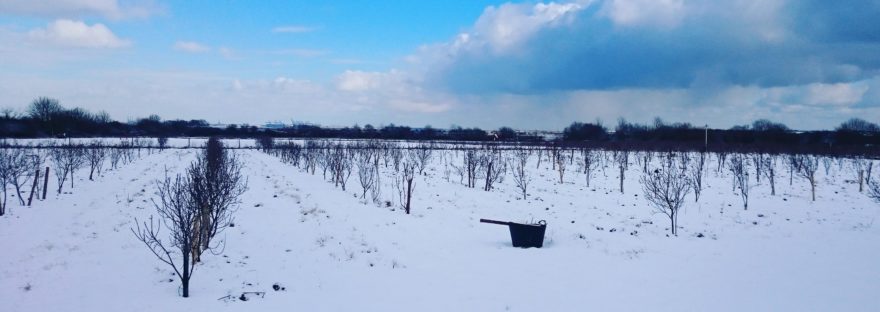
On March 17th the snow began – a storm now called the “Beast from the East”. The following days of snow and bitterly cold weather ran into what was pollination time for the sea buckthorn.

Sea buckthorn are wind pollinated, so male plants release pollen to be carried by the wind to receptive females.

The weather was cold and the wind was bitter. Of course the plants come from Siberia, where the weather is far more extreme. But our Siberian plants have adapted to our mild coastal climate in Britain. In their native environment they would emerge from winter in April/May. Our first plants start to emerge from dormancy in January, developing into full leaf by March. This development process triggers the development of pollination in mid March – just at the time when the Beast struck.

Hence the weather disrupted pollination. There are some berries on varieties Altaiskaya and Klaudia, but Chuiskaya plants– which were heaviest in yield in 2017,  now carry little more than 200 grams each.

This is the nature of farming, but in terms of timing this situation is an unprecedented setback.

Being positive the harvesting system is almost completed and the 200-300kg of what is left of the crop will be enough to test the equipment.

We are trying to irrigate some plants to see if it will improve the berry size. We will also be picking at different stages of ripeness to find the optimum brix measurement for the best taste. Waiting for full ripeness leads to falling vitamin levels and characteristic sharpness. We need to find a taste that is full of balanced flavour.

We have also tried digging up some of the suckers from Altaiskaya variety to pot on and use as replacement plants. Even though we used a mycorrhizal powder the result was a complete failure. The plants once potted died within ten days showing no recovery. It was worth trying, but we will look to buying in 2 year old plants from Siberia again when we expand the orchard.

Although it has been disappointing the vision of the 2017 crop is still firmly in our minds. The purchase of a ladurna cultivator for weeding; a mower and a tractor mounted sprayer for applying foliar feeds, and a harvesting system are all promising success to the future. It will just have to be 2019 not 2018 – learning by experience is often bitter, but are lessons well learnt.

Uncategorized

Soil Nutrients and Berry Nutrients

The winter of 2018 has been a marked change from the norm of almost all the winters since we planted our first sea buckthorn plants in 2009. The norm up until now has been so mild that the Siberian plants have been emerging from dormancy in January. The variety Klaudia has always taken the lead, with the earliest having been December 31st.

This year however has been characterised not only by a week of dramatic snow this month, but also frosts through January and February. As a consequence even Klaudia decided that this was actually winter and finally only started to emerge on January 22nd. Growing any crop brings with it the issue that we have no control over the weather. It alters each growing season and that has an impact on the crop. Moving a plant from a country like Russia with its continental climate to the maritime environment we have at Devereux farm on the Essex coast was always going to bring with it an issue that the plants would need to adapt.

The principal first major event in the growing calendar is pollination. There were signs that our Siberian male plants where showing movement in the upper buds of the plant on February 23rd. The snow struck all through the following week, then thankfully it cleared, but as if to ensure that we did not forget it had happened a second dose came over the weekend of March 17/18. The relevance of all this is whether it will impact on pollination as some female varieties, particularly Sudarushka and Altaiskaya are not as forward with leaf development as some of the other varieties. As I write this now approximately 60% of the buds on the males are cracking open. This is a significant move from three days ago, so I suspect pollination might start towards the middle of next week.

On the basis that we had a good yield of berries last year the Siberian males (Gnom variety) have proven themselves to pollinate successfully. My concern though is that of all varieties they are susceptible to disease, and even fully mature plants die over a season.

Yesterday I attended a Soil Health seminar run by the Head of Horticulture at the Soil Association, Ben Raskin. As the sea buckthorn is registered as organic there are limitations to what one can and cannot use when controlling pests and diseases. One of the options discussed was biochar. This is charcoal enriched with beneficial fungi, bacteria and trace elements gained from seaweeds.

Part of the issue of growing trials is the need to find solutions to problems, and I need to find a way of supporting the health of my males. If the males are failing because of soil based pathogenic fungi then Biochar might help – so this will go on the list of work for this year.

The soil health seminar also focused on the use of different composts and woodchip mulches. The woodchip trials being both with composted and un-composted chip. Woodchip for our soil at Devereux will provide a great source of organic matter in a form that should improve the soil ecology, structure and nutrient content. Better soil will reduce stress on the plants and reduce the risk of disease. The other half of the reason to improve the soil is the hope that we can improve the availability of nutrients available to the plant that might increase the quality of the berries.

The nutrient quality of our berries is important as sea buckthorn is recognised as a “super fruit”. With this label it needs to maintain its capacity to contain higher than normal levels of vitamins, carotenoids and myriad of polyphenols that are the basis of its potential to deliver benefits. Omega 3 comes into this category – an important nutrient so often associated with fish oil, but now being increasingly provided through plant sources.

We always have to remember that like all crops, sea buckthorn is a natural product that is a product of the environment it grows in. Every year the weather is different and that will impact on both the yield and quality of the fruit. Soil management can help to reduce the variability of a crop and that is something we need to work on to deliver a consistent quality, good tasting fruit to customers.

Uncategorized

The science of blueberries

In 1963 the sea around our farm on the Naze froze. Lobsters and crabs crawled up the beach to get out of the cold water, only to freeze on land.

This week snow has again come to the UK. Maybe our Siberian sea buckthorn plants will feel more at home having some real winter temperatures but by next week it will return to normal. I hope it will because our plants develop early and it would be a disaster if these wintery conditions coincided with pollination.

Like the weather our world is changing, its human population is growing in number, sophistication and affluence. The world’s cities are growing and with growth comes the demand for global superfoods often driven by trend, fad and fashion. In the UK avocados have become a luxury staple food, but in China the demand is exploding with demand going from 1.5million kilos in 2013 to 30 million in 2017.

Here superfruits like blueberry have seen 11% year on year growth in consumption for a decade. All season demand has been met by investment in growing methods and plant breeding to respond to global trade. Fresh, good tasting foods with a declared high nutritional value must be a winner. But in this information age internet sites and media give so confusing viewpoints. Take blueberries for example. If you type in “Why are blueberries good for your health” you get the Telegraph, the Mail, Mercola.com giving glowing health benefit offerings on cell protection, reduced risk of cardiovascular disease, protection of brain neurons, anti-aging and so on – whereas the NHS says research is inconclusive, but valued as one of your “Five a day”.

We rely on scientific research for knowledge but its interpretation is often hard to understand. Last month the Commissioner for European Health and Food Safety suggested that there was a general mistrust of science by the public. This was not because science was not credible but in an era of evolving scientific advancement, communicating results in plain language was poor. People often do not understand research results and so it is easily rejected by negative, and false negative subjective views found on social media sites.

Sea buckthorn is a fruit similar to blueberry. Like blueberry it is nutrient rich, containing flavonoids, polyphenols, and anthocyanins and so on – but do we really need to understand the science of precisely how a fruit delivers a specific benefit to appreciate it is good for us. The internet site providing  views on blueberry, both those of the press and the NHS both say it is good for you, whether it is the anthocyanins and your brain, or the antioxidants and your cells does it matter? The principal issue is that the food is natural and not ultra-processed, is that not enough?

Uncategorized

Investing in machines – benefits and challenges

This week as a pair of hares came looping down the sea buckthorn rows it was clear that spring is coming. Varieties Jessel, Klaudia, Etna and others are showing leaf. The year is already underway and it is a crucial year when we have to pull all the knowledge we have accumulated since 2009 into focus to deliver our first harvest and take it to market.

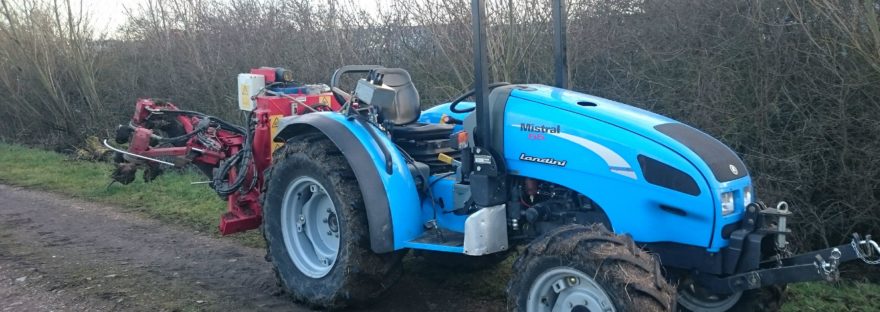
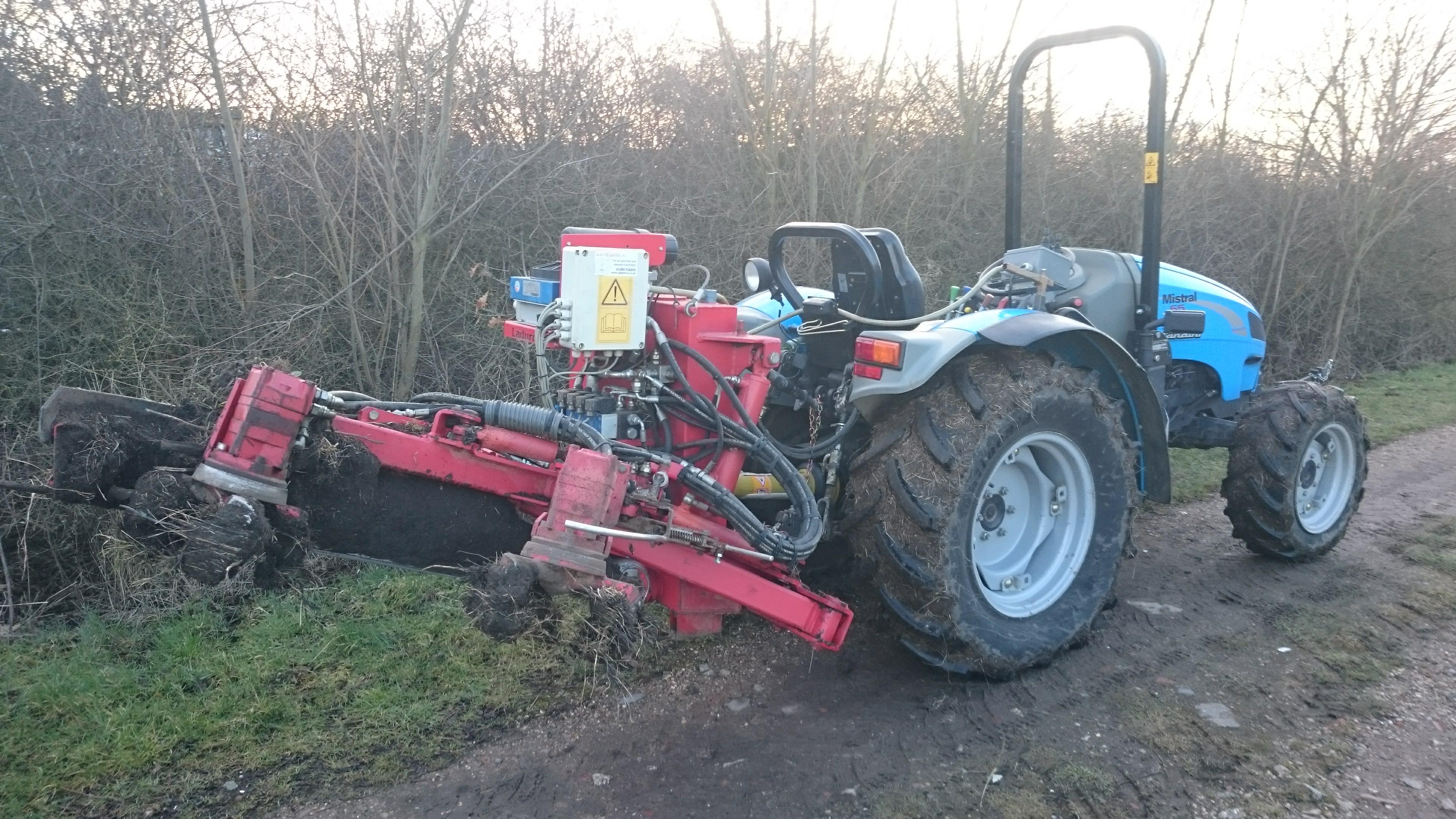
Time is always a precious commodity. Weeding has stolen many days each year. Our first 2018 investment in a Landini tractor and ladurner cultivator will buy back this time. First trials show an excellent job, rotovating the weeds in the area close to the plants creating an organic mulch of the top soil. The first pass of the machine has cut the shallow lateral roots of the plants and we will have to wait to see if this creates any detrimental impacts. It may be the plants compensate by establishing deeper roots, which could be positive in the long run to help sourcing a deeper water table in dry summers.

ladurner cultivator

Adopting the Ladurner cultivator raises some thoughts regarding the sea buckthorn fly (Rhagoletis batava). It can destroy up to 50% of the crop, and although not seen in the UK yet has expanded across Asia and Europe. As we are determined to maintain our organic form of growing sea buckthorn, the option of using chemicals is not available to us. Netting all the plants offers a first line of defence, but over a large area can netting offer a 100% option?

The sea buckthorn fly lay eggs which become larva which overwinter in the soil beneath the plants. One suggestion is to create a barrier on top of the soil preventing the larvae from penetrating the soil and leaving them exposed to the elements and insect predators. The Landini will create a soft open soil under the plants for these larvae to burrow into, so our mechanical solution to weeding may solve one problem and create a worse one. As part of our trials we will look at increased autumn cultivations after the egg hatching season as this might kill fragile larvae in the soil.

Moving away from the farm, this week has revealed research on the potential hazards of consuming ultra-processed foods. Consumer demand for convenience and the food industry response needs to always focus on the fact that food is a primary means of maintaining health. The quality of ingredients and how they are treated impacts on the nutritional value of any food to benefit the end consumer.

Ultra-food processing is extreme but the issue of nutritional quality is something we need to focus on in developing our sea buckthorn crop, harvesting and how it reaches our consumers.

Our field management must cross check on sustainability. How we can reduce bought in inputs, reduce our impact on the environment – but more than that, maintain and improve the biodiversity around us. This will provide a good soil. A good soil will deliver a healthy plant and the necessary nutrients and trace elements that improve fruit quality.

Harvest needs to be fast and clean. The concept is simple but ensuring quality comes from being continually critical of the process. With 2018 being our first harvest quality is both our vision and our challenge.


Uncategorized

The importance of standards and nutrition

UK farming and the rural economy has seen many changes over the past 35 years. The global market, the growth of the retail food giants and technological improvement has driven agriculture forward. Farms have grown in size and scale – developing businesses where enterprise seizes every opportunity to grow. Alongside this, smaller farms have changed through innovative diversification, driven by passion and belief in great product. Behind this though is the stark fact that all these farms – whether large or small are responding to the need to remain viable.

At Devereux farm we started to grow sea buckthorn as a means of looking for future viability. In 2002 our dairy herd was sold in a falling milk price market. It is sad to see this trend has increased with numbers of UK herds dropping by half to less than 10,000. The loss of our milking herd left a vacuum that we needed to fill and as farmers the desire to fill it with a natural, wholesome food product was desirable.

2005 saw the introduction of exotic fruits such as noni, gogi, and acai into the US consumer market. These fruits had by analysis high levels of nutrients and traditional medicinal use associated with health benefit.  Sea buckthorn at that time was a northern hemisphere version of these exotic fruits.

The subject of high nutrient content is difficult. Nutrient content is variable based on climate and the environment where the food is grown. The sea buckthorn that we grow is not grown in the extreme climate of its native Siberia. It is however of a genetic ecotype that has a capacity to produce a fruit with higher than normal levels of nutrients.

Harnessing genetic ecotype and providing growing conditions to provide a healthy plant is the basis for the success of our 2018 harvest.

Sea buckthorn has been widely studied and many research papers are published through a great series of books edited by Prof. Virendra Singh. Volume 2 of this series, on biochemistry and pharmacology exposes the nutrient diversity within sea buckthorn from around the globe. High levels of vitamins A, B, C, E; omega fatty acids; flavonoids; sterols, polyphenols alongside minerals are all present, but what we need to find is what is typical in our fruit.

All fruit has a capacity to add to a healthy diet. None provide an all-encompassing health silver bullet, but it is helpful to understand nutritional strengths, and to the grower these can be used to create credible standards of quality for consumers to judge on their merits.

With this in mind, this year we are developing crop trials alongside a highly respected UK horticultural institute to analyse our methods and fruit to start to move towards being able to create those credible standards.

Uncategorized

David’s February Sea Buckthorn Field Update

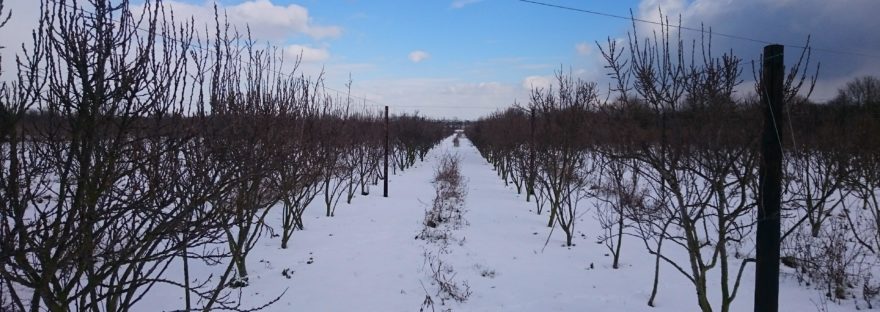
January as usual is the month when we start to see some of our sea buckthorn plants breaking bud. Practically at the moment we are focusing on pruning all of the plants and we are aiming to complete this by the end of February. Alongside this the youngest plantation is being weeded and all plants that have been windblown will be given a stake to straighten them up. Wind has been a problem for smaller and younger plants that have not fully established roots. I think this also results from strong gusting winds that we have on the coast. Although it is not a big problem it is now important that these plants are straightened so they do not snag on the tractor and Ladurna cultivator – which excitingly should be arriving next week.

Pruning also allows a focus on which varieties are best suited to our farm. This year we will be ordering some more plants from Siberia (also exciting). Of the ten varieties on site we need to be focusing on those that yield best; have the right taste and size of berry; and have a more compact shape for ease of management. Interestingly our first discussions with buyers indicate that varieties with different distinctive taste may have different culinary uses, so our selection of varieties will need to be concentrating on best product suitability.

Product suitability was flagged up this week in articles from a French company – Superfruiticals, who have been working with sea buckthorn for ten years. Sea buckthorn’s anti-oxidant properties are often quoted. Superfruiticals are showing how the amino acids, fatty acids and vitamins all combine to produce a real anti-microbial activity that can be used as a natural preservative often doubling the shelf life of products. They have developed products for use as meat preservatives that replace E number ingredients that are also more cost effective than other natural alternatives such as rosemary. Sea buckthorn is so often quoted for its use in cosmetics and supplements but this shows another example of its versatility as a natural replacement for formulated ingredients used in food production.

Superfruiticals also mentions the potential in sea buckthorn leaf. The harvesting system that we are designing will create sea buckthorn leaf as a by-product. Its nutrient content is different to the berry but just as complex. Research has indicated its potential in animal feeds and this will be a subject for investigation this year.


David

Uncategorized

January pruning and thoughts on the future

January is being January. Damp, cold and maybe a bit of post-Christmas blues. Pruning the sea buckthorn has started in earnest. The focus is on the youngest plants, a field established in 2015 with a mix of Siberian varieties set out with four different plant spacings. Managing the main orchard of mature plants has been the priority for the past couple of years so these plants haven’t had as much attention. This month it is the turn of these young plants to be manicured and hand weeded to make the site looked loved again.

This hand weeding is motivated by the thought that very soon we will take delivery of an orchard tractor and Ladurna cultivator. This will revolutionise the time taken on mundane but important field work in containing the spread of weeds.

Personally I still have a confused mind about weed control. I have just read the Soil Association 70th anniversary edition of their magazine Mother Earth. It combines articles from its founders back in the 1940s mirrored by comment by the leaders and prime movers of the organic movement today. Weed control comes about because I feel, or are told that these plants will compete for soil nutrients and moisture that will impact on the yield of my crop. Against this my gut tells me that our site’s soil will dry to concrete if it is left as exposed bare ground. The presence of any form of plant will catch dew in the early morning even in the driest of summers, and shade the soil from evaporation. This plant presence also provides a habitat for insects that may predate on pests of my precious sea buckthorn. The roots of these weed plants penetrate the soil helping to improve its structure. Continuous cutting of these weeds will provide organic matter that will break down and feed the soil with nutrients both for my crop and soil health.

Soil Health is a complex issue. The whole farming industry is focusing on ways of improving soil health as it has the capacity to naturally improve crop quality, improve drainage, reduce soil run off and makes the soil easier to work – reducing cultivation costs. This is but one issue wrapped up in the debate about how to reform the Agriculture industry post Brexit.

Regardless of the ramifications of Brexit the debate on agriculture is rightly described as a once in a generation opportunity to scrutinise the past, identify deliverable solutions to current issues and inspire positive change for the future. The challenges ahead of climate change, economic imbalance, aging, poor diet and associated health issues demand focus, determination and cohesive management.

The launch of the DEFRA 25 year environment plan; the setting up of a RSA Commission on Food,Farming and Countryside and Minister Michael Gove citing a substantive understanding of the issues is all positive but this debate is too important to be political. The setting up of an RSA Commission on Food, Farming and the Countryside will hopefully provide the in depth consultation to allow all views to be aired; assessed; moulded and utilised for reforms that will challenge current and past policies.  Our NHS is in crisis more than ever before. It is the duty of the food industry and policy makers to re-think this whole issue. A July 2017 study of 19 EU countries including the UK suggests that “Ultra processed foods” are intrinsically linked to the rise in obesity – this the result of a highly regulated food industry; national health services focused on illness not good health; an education system that has not invested in the importance of food and diet. This debate may have started because of Brexit, but hopefully it will not become sidelined by it. Change is needed but not within 25 years, it needs to start now.

Change is never easy however and for us at Devereux farm at the start of 2018, the year ahead is daunting. On the basis that we are going to have our first harvest and deliver it to market we will be putting all our investment resources into this year. Developing our own harvesting system is our goal as well as expanding our market. We look forward to taking you with us as we move forward. Thanks as always for following us. If you want more up to date information follow us on twitter @britishseabuck or on facebook or Instagram by searching for the British Sea Buckthorn Company.